 Josh Reid
The Success of a Project Starts Before It Begins
The success of a project is often decided before the real work even begins.
Client onboarding isn’t just a kickoff—it’s the foundation for communication, alignment, and long-term execution. Yet many businesses treat onboarding as a quick administrative step instead of a strategic phase.
The result?
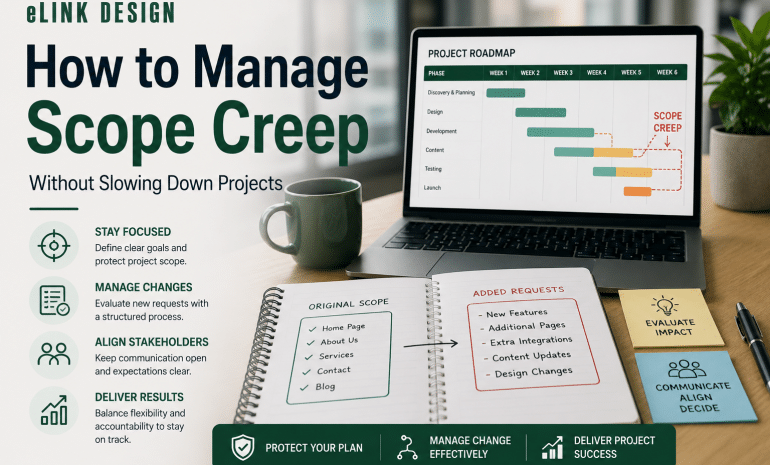
Misaligned expectations, scope creep, delayed timelines, and strained relationships.
A well-structured client onboarding process helps eliminate these risks while improving efficiency, transparency, and client confidence.
What Is a Client Onboarding Process?
Client onboarding is the structured process of integrating a new client into your workflow after a contract is signed.
It includes:
- Gathering key project information
- Aligning on goals and expectations
- Establishing communication protocols
- Defining timelines and deliverables
At its core, onboarding answers one critical question:
Are we aligned before we begin?
Why Onboarding Matters More Than You Think
Strong onboarding directly impacts:
- Project efficiency
- Client satisfaction
- Team productivity
- Profitability
Without it, teams often:
- Rework deliverables
- Chase missing information
- Navigate unclear priorities
From an operational standpoint, onboarding reduces friction—and friction is one of the biggest hidden costs in project management.
Common Client Onboarding Mistakes
Even experienced teams fall into these traps:
Rushing the Kickoff
Jumping into execution without full clarity leads to confusion later.
Lack of Clear Documentation
Verbal agreements don’t scale. If it’s not documented, it will be misinterpreted.
Undefined Communication Channels
Too many tools—or no clear system—creates missed updates and delays.
No Defined Success Metrics
If success isn’t defined early, it becomes subjective later.
As projects grow in complexity, onboarding becomes even more critical.
This is often where structured workflows and clear communication systems make the biggest difference—ensuring alignment across teams, stakeholders, and timelines from the very beginning.
Key Elements of an Effective Client Onboarding Process
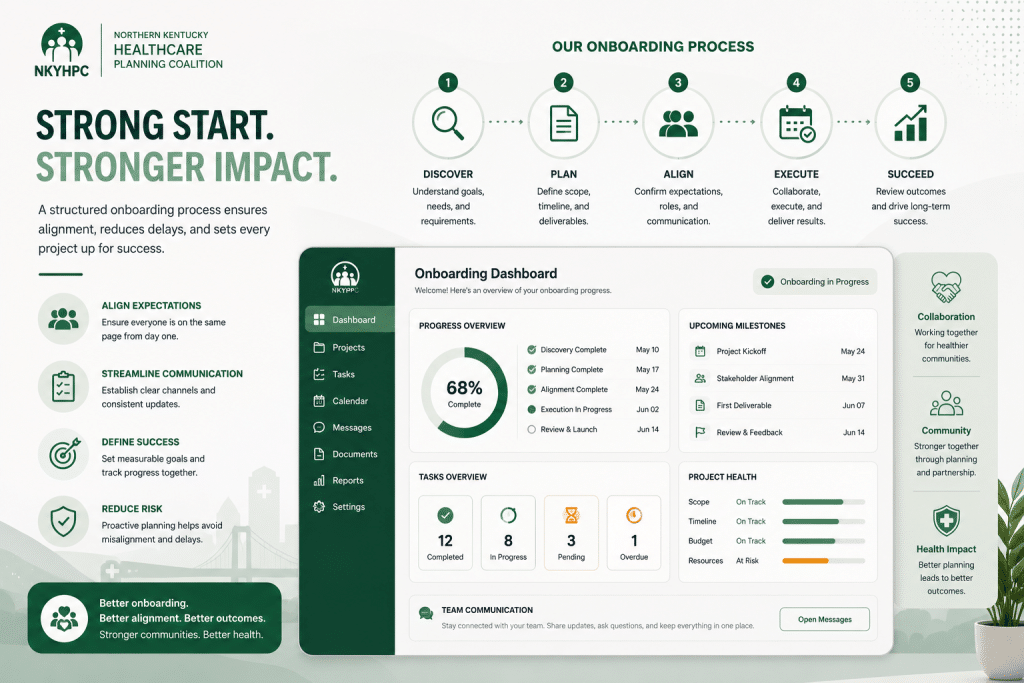
Structured Discovery
Before kickoff, gather:
- Business goals
- Target audience insights
- Competitive positioning
- Technical requirements
This ensures your strategy is grounded in context—not assumptions.
Clear Scope Definition
Outline:
- Deliverables
- Timelines
- Responsibilities
- Approval processes
This reduces scope creep and protects both sides of the partnership.

Centralized Communication
Establish:
- Primary point of contact
- Communication tools
- Update cadence
Consistency here eliminates confusion later.
Timeline and Milestone Alignment
Break projects into:
- Phases
- Milestones
- Dependencies
This provides visibility and helps clients understand progress.

Documentation and Accessibility
Store all onboarding materials in a shared location:
- Project briefs
- Timelines
- Notes and recordings
Accessible documentation improves accountability and reduces repeated questions.
How Technology and AI Are Improving Onboarding
Modern onboarding is no longer manual.
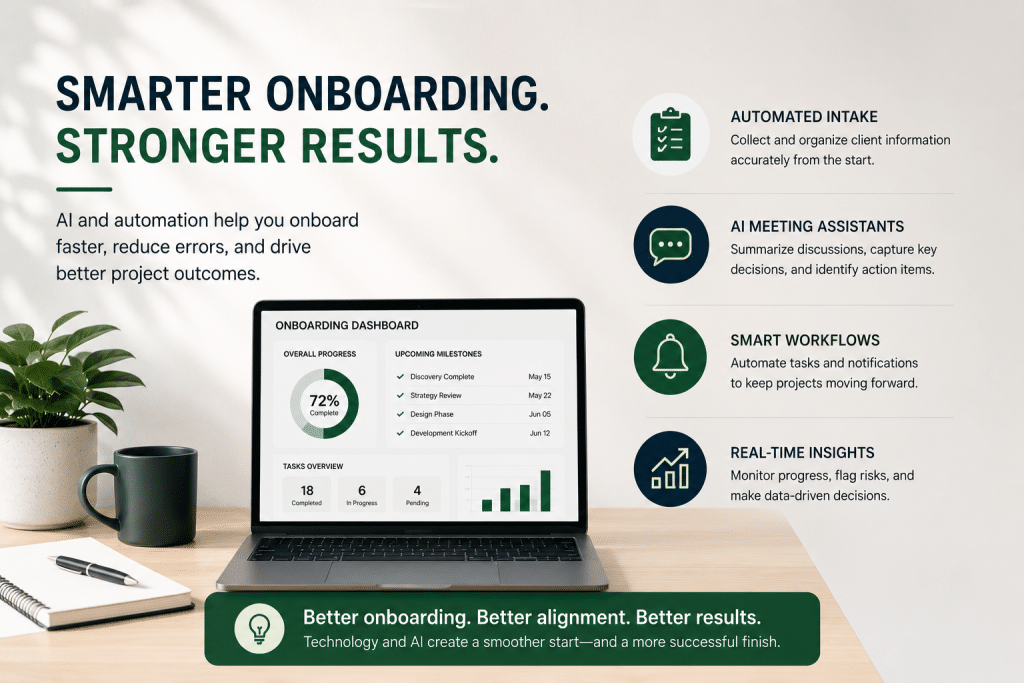
AI-powered tools and platforms now help:
- Automate intake forms
- Summarize kickoff meetings
- Track action items
- Identify risks early
For example:
- AI meeting assistants capture key decisions
- Smart workflows trigger next steps
- Dashboards provide real-time visibility
The result:
Faster onboarding with fewer errors and better alignment.
The Business Impact of Better Onboarding
When onboarding is done right, businesses see:
- Faster project start times
- Fewer revisions and delays
- Improved client trust
- Stronger long-term relationships
It also creates internal benefits:
- Less team stress
- More predictable workflows
- Better resource planning
Good onboarding doesn’t just start projects—it strengthens your entire operation.
Key Takeaways
- Onboarding sets the foundation for project success
- Poor onboarding leads to delays and misalignment
- Clear scope, communication, and documentation are critical
- AI and tools can significantly improve efficiency
- Strong onboarding improves both client and team outcomes
Final Thoughts
A project rarely fails because of one big mistake—it fails because of small misalignments that build over time.
The Client Onboarding Process is your opportunity to eliminate those risks before they start.
Businesses that invest in structured onboarding:
- Deliver more consistent results
- Build stronger client relationships
- Operate more efficiently
If your projects are experiencing delays or misalignment, your onboarding process may be the root cause.
Connect with eLink Design to build a smarter, more scalable onboarding workflow.